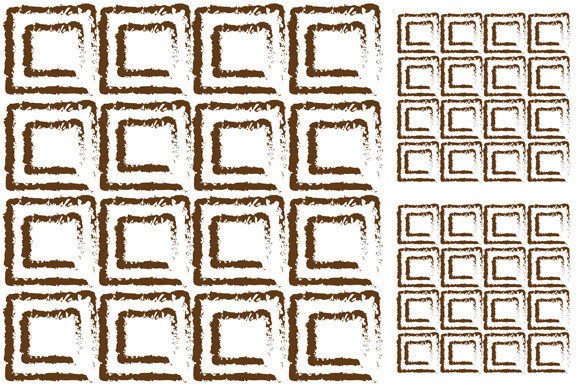
Simple Design Patterns: A Strategic Approach to Effective Visual Communication
In today's fast-paced digital and physical environments, the ability to communicate clearly and effectively through visual design is more important than ever. Simple Design Patterns offer a powerful framework for creating visuals that are not only aesthetically pleasing but also functional, memorable, and adaptable across various applications. Whether you're designing for clothing motifs, branding materials, or user interfaces, understanding and applying Simple Design Patterns can significantly enhance your creative process and outcomes.
At its core, Simple Design Patterns refer to recurring, structured approaches to visual elements that simplify complex ideas into digestible formats. These patterns are rooted in principles of clarity, consistency, and usability, making them ideal for a wide range of industries and use cases. By leveraging these patterns, designers and creators can ensure their work resonates with audiences while maintaining a cohesive and professional appearance.
Why Simple Design Patterns Matter in Modern Design
The strategic value of Simple Design Patterns lies in their ability to streamline the design process while delivering consistent results. In an era where attention spans are short and competition is fierce, simplicity can be a competitive advantage. When done right, simple designs are easier to understand, faster to create, and more versatile in application.
For instance, in the context of clothing motifs, Simple Design Patterns can help maintain brand identity across different products and collections. A consistent visual language ensures that customers recognize and connect with your brand, regardless of the specific item they’re purchasing. This is particularly useful for small businesses and independent designers who may have limited resources but high aspirations.
Moreover, Simple Design Patterns support better decision-making by reducing cognitive load. When visual elements are organized and predictable, users can navigate and interact with them more efficiently. This is especially relevant in user interface (UI) design, where clarity and ease of use directly impact user satisfaction and engagement.
Strategic Applications of Simple Design Patterns
Simple Design Patterns are not just about aesthetics—they are a tool for achieving specific goals. Whether you're planning a marketing campaign, developing a product line, or refining your brand identity, these patterns can guide your choices and improve your outcomes.
Consider the following scenarios:
- Branding: A minimalist logo using Simple Design Patterns can become a strong, recognizable symbol that conveys your brand’s values without unnecessary complexity.
- Product Design: For clothing motifs, using a limited color palette and repeating geometric shapes can create a cohesive look that appeals to a broad audience.
- User Experience: In web and app design, consistent spacing, typography, and layout structures help users feel more at home, leading to higher engagement and conversion rates.
By aligning your design choices with Simple Design Patterns, you can ensure that your work is both visually appealing and functionally sound. This approach not only saves time but also reduces the risk of errors and inconsistencies.
When to Use Simple Design Patterns and How to Approach Them
Understanding when to apply Simple Design Patterns is just as important as knowing how to use them. While simplicity is often beneficial, it’s not always the best solution. The key is to match the design approach to the specific needs of your project and audience.
Use Simple Design Patterns when:
- You need to convey a message quickly and clearly.
- Your goal is to create a unified visual identity across multiple platforms or products.
- You want to reduce the cognitive effort required to understand your design.
- Your audience benefits from predictable and familiar structures.
Before implementing Simple Design Patterns, consider the following steps:
- Define Your Goals: What do you want your design to achieve? Is it to inform, persuade, entertain, or inspire?
- Understand Your Audience: Who will be interacting with your design? What are their preferences, expectations, and pain points?
- Research Existing Patterns: Look for established design patterns in your industry or niche. Analyze what works and why.
- Test and Iterate: Don’t settle for the first version. Test your design with real users and refine it based on feedback.
By taking a thoughtful and iterative approach, you can ensure that your use of Simple Design Patterns is both effective and impactful.
Risks of Using Simple Design Patterns Without Clear Intent
While Simple Design Patterns can be incredibly useful, they are not a silver bullet. Using them without clear intent or context can lead to bland, unmemorable designs that fail to resonate with your audience.
One common risk is over-simplification. If a design is too minimal, it may lack personality or fail to convey the intended message. This is particularly true in creative fields like fashion, where uniqueness and expression are highly valued.
Another risk is inconsistency. If you apply Simple Design Patterns without a cohesive strategy, your designs may appear disjointed or confusing. For example, if you use different layouts, fonts, or color schemes across your clothing line, it could dilute your brand identity and confuse customers.
To avoid these pitfalls, always ask yourself: Does this design serve my goals and audience? If the answer isn't clear, take the time to refine your approach before finalizing your work.
How to Use Simple Design Patterns Intentionally
Intentional use of Simple Design Patterns requires a balance between structure and creativity. It’s about finding the right level of simplicity that supports your objectives without sacrificing originality or impact.
Here are some practical tips for using Simple Design Patterns effectively:
- Start with a Framework: Establish a baseline structure for your design—such as a grid system, color scheme, or typography hierarchy—that provides stability and consistency.
- Layer Complexity Thoughtfully: Add depth and interest by introducing subtle variations within the framework. This keeps the design engaging without overwhelming the viewer.
- Align with Brand Values: Ensure that your design choices reflect your brand’s mission, tone, and personality. Simplicity should never come at the expense of authenticity.
- Stay Flexible: While patterns provide structure, they should not limit your creativity. Be open to adapting and evolving your approach as needed.
By integrating Simple Design Patterns into your workflow with intention and care, you can create designs that are both effective and meaningful.
Long-Term Value of Simple Design Patterns
The long-term value of Simple Design Patterns lies in their adaptability and sustainability. As markets and trends evolve, designs that are built on solid, flexible foundations are more likely to remain relevant and effective over time.
For example, a clothing brand that uses Simple Design Patterns for its motifs can easily update its collection without losing its visual identity. This makes it easier to stay competitive and responsive to changing consumer preferences.
Additionally, Simple Design Patterns can contribute to operational efficiency. When design systems are well-structured, they reduce the need for constant revisions and adjustments, saving time and resources in the long run.
Ultimately, the goal is to create designs that are not only beautiful but also functional, scalable, and enduring. Simple Design Patterns provide a roadmap for achieving this balance, helping you make smarter decisions and achieve better results.