Seamless Islamic Patterns: A Timeless Design Element for Modern Creatives
In the world of design, where aesthetics and cultural significance often intersect, Seamless Islamic Patterns have emerged as a powerful and versatile tool. These intricate designs, rooted in centuries-old traditions, are now being reimagined through modern digital tools like Adobe Illustrator. For artists, designers, and entrepreneurs, these patterns offer a unique way to blend tradition with contemporary creativity. Whether you're working on a poster, a t-shirt, or a background for a digital project, Seamless Islamic Patterns provide a rich visual language that resonates across cultures and contexts.
The relevance of these patterns lies in their ability to convey beauty, symmetry, and spiritual depth. They are not just decorative elements but also carry historical and symbolic meaning. As more people seek meaningful and culturally inspired designs, the demand for high-quality Islamic patterns has grown significantly. This is especially true in industries such as fashion, graphic design, and interior decoration, where authenticity and craftsmanship are highly valued.
The Evolution of Islamic Pattern Design
Islamic art and design have long been characterized by geometric precision and floral motifs, reflecting a deep appreciation for order and harmony. Historically, these patterns were created using manual techniques, requiring immense skill and patience. However, with the advent of digital design tools like Adobe Illustrator, the process has become more accessible and efficient.
Modern creators can now generate seamless Islamic patterns with greater ease, allowing for faster iterations and more complex designs. This evolution has not only preserved the essence of traditional patterns but also expanded their potential applications. From textiles to digital media, the adaptability of these designs makes them ideal for a wide range of creative projects.
Moreover, the rise of online marketplaces and digital asset platforms has made it easier for designers to share and sell their work. This shift has led to a growing community of artists who specialize in Islamic pattern design, contributing to a vibrant and dynamic ecosystem.
Why Seamless Islamic Patterns Matter Today
In today’s design landscape, there is a growing emphasis on cultural inclusivity and authenticity. Consumers are increasingly seeking products that reflect their values and heritage. For this reason, Seamless Islamic Patterns are not just aesthetically pleasing but also serve as a bridge between tradition and modernity.
Businesses and creatives who incorporate these patterns into their work can tap into a global audience that appreciates the richness of Islamic art. Whether it's for branding, marketing, or personal expression, these patterns offer a way to stand out while respecting cultural roots.
Additionally, the trend towards sustainable and ethical design has further boosted the appeal of Islamic patterns. Many designers are choosing to use traditional motifs as a way to honor craftsmanship and promote time-honored techniques. This aligns with broader movements that prioritize quality over mass production and emphasize the value of handmade and culturally significant art.
Practical Applications of Islamic Straight Patterns
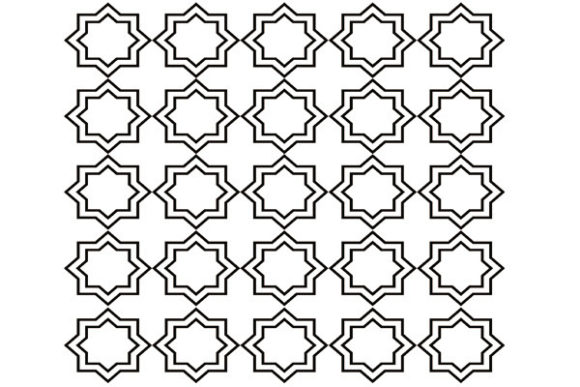
While Seamless Islamic Patterns are often associated with intricate, repeating designs, Islamic Straight Patterns offer a different but equally valuable approach. These linear designs are simpler in structure but no less impactful. They are particularly useful for creating clean, elegant layouts that maintain a sense of balance and flow.
Islamic Straight Patterns are ideal for backgrounds, borders, and text embellishments. Their simplicity makes them easy to integrate into various design projects, from website templates to print materials. For instance, a designer might use an Islamic straight pattern as a subtle border for a brochure or a header on a blog post, adding a touch of sophistication without overwhelming the viewer.
These patterns are also well-suited for textile design, where they can be used to create elegant, minimalist prints on clothing, home décor, and accessories. Their versatility allows them to complement both traditional and modern styles, making them a valuable addition to any designer’s toolkit.
Designing with Adobe Illustrator: Tools and Techniques
Adobe Illustrator remains one of the most powerful tools for creating Islamic patterns, thanks to its vector-based capabilities and advanced design features. With the right skills and resources, designers can produce high-quality, scalable patterns that maintain clarity at any size.
For those looking to work with Islamic patterns, Adobe Illustrator offers a range of tools that facilitate precision and efficiency. Features like the Pen Tool, Shape Builder, and Pattern Maker allow for detailed and accurate design work. Additionally, the ability to export files in multiple formats ensures that patterns can be used across different platforms and mediums.
When working with Islamic patterns, it's important to maintain the integrity of the original design while adapting it to new contexts. This requires a balance between technical skill and artistic intuition. Designers should also consider the cultural significance of the patterns they are using, ensuring that their work respects the traditions that inspired them.
Files Included: A Comprehensive Design Package
For designers and creators looking to incorporate Islamic patterns into their work, having access to the right file formats is essential. A typical package may include AI Illustrator CS files, EPS Illustrator 10 files, and JPG-PNG images. Each of these formats serves a specific purpose and offers different advantages depending on the intended use.
AI Illustrator files are ideal for editing and customizing designs, allowing for full control over every element of the pattern. EPS files are widely used in professional printing and offer high-quality vector graphics that can be scaled without loss of detail. JPG and PNG files, on the other hand, are perfect for web use, social media, and quick previews, providing a convenient way to view and share designs.
Having access to multiple file types ensures that designers can seamlessly integrate Islamic patterns into their workflow, whether they are working on a print project, a digital campaign, or a product design. This flexibility makes it easier to meet the diverse needs of clients and audiences.
Choosing the Right Islamic Pattern for Your Project
Not all Islamic patterns are created equal, and the choice of design can significantly impact the final outcome. When selecting a pattern, it's important to consider the context, audience, and purpose of the project. For example, a more intricate and detailed pattern may be appropriate for a luxury brand or a high-end product, while a simpler design may be better suited for everyday use.
Another factor to consider is the color palette. Islamic patterns often feature muted or earthy tones, which can create a calming and sophisticated effect. However, modern interpretations may incorporate brighter colors or metallic accents to suit different aesthetic preferences. Experimenting with color combinations can help bring a pattern to life and make it more visually engaging.
Finally, it's crucial to ensure that the chosen pattern aligns with the overall design concept. A well-chosen pattern should enhance the message or theme of the project rather than distract from it. This requires careful planning and attention to detail, as even small adjustments can have a big impact on the final result.
Conclusion: Embracing the Beauty of Islamic Design
Seamless Islamic Patterns and Islamic Straight Patterns represent more than just visual elements—they are a celebration of culture, history, and creativity. By incorporating these designs into their work, designers and creators can add depth, meaning, and authenticity to their projects. Whether you're designing for a client, a brand, or your own portfolio, these patterns offer a unique and valuable resource.
With the right tools, techniques, and understanding, anyone can explore the world of Islamic pattern design and find new ways to express their creativity. As the demand for culturally inspired and visually compelling designs continues to grow, the importance of these patterns will only increase. By embracing their beauty and significance, we can keep the legacy of Islamic art alive while adapting it to meet the needs of the modern world.