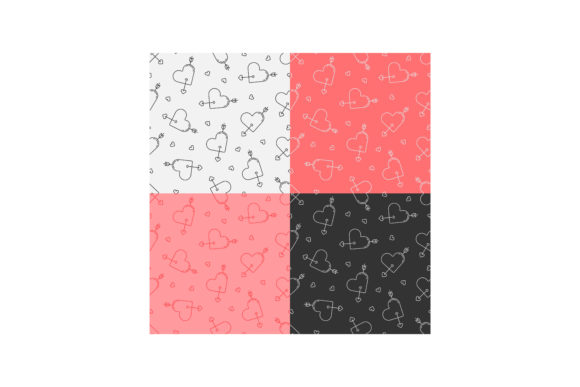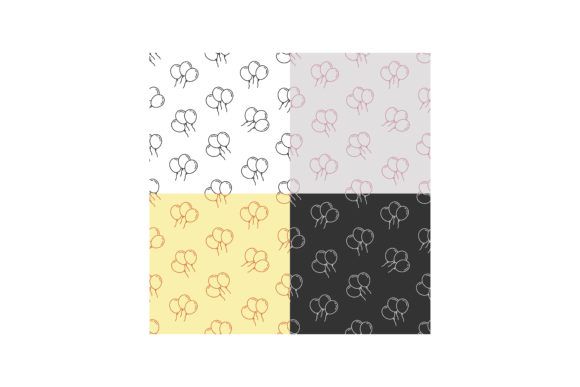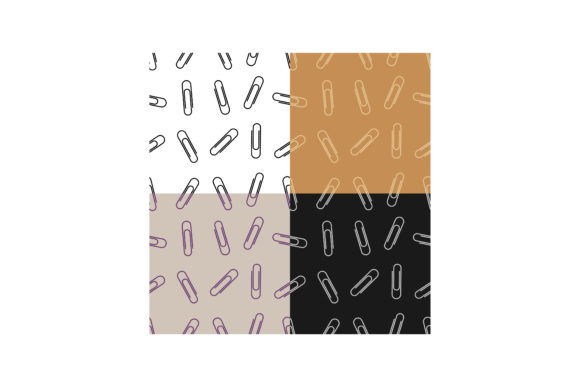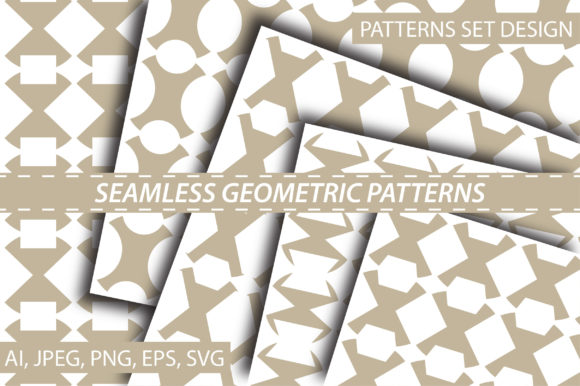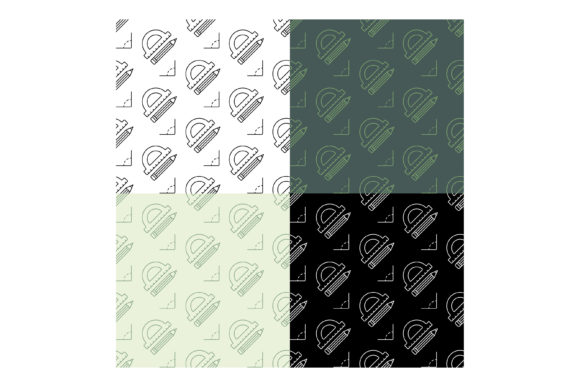
Set of Seamless Patterns with Pencil for Creative Design and Printing
The Set of Seamless Patterns with Pencil offers a versatile toolkit for artists, designers, and creators looking to integrate intricate and cohesive designs into their work. These patterns, often created using a pencil and school protractor, provide a foundation for both traditional and digital art projects. Whether used for fabric printing, graphic design, or decorative elements, the seamless nature of these patterns ensures they can be repeated without visible seams, making them ideal for a wide range of applications.
One of the key advantages of this set is its adaptability. The patterns can be customized to fit specific needs, whether for clothing, home decor, or commercial branding. By using a pencil to sketch initial outlines and a protractor to ensure precise angles, designers can create complex geometric or organic shapes that maintain visual harmony when repeated. This level of control allows for greater creativity and precision in the design process.
Applications in Fabric Printing and Textile Design
Fabric printing is one of the most common uses for the Set of Seamless Patterns with Pencil. Designers often use these patterns as base templates for creating textiles that feature repeating motifs. The pencil-drawn lines serve as a guide for transferring the design onto fabric, while the protractor helps in maintaining symmetry and proportion. This method is especially useful for hand-drawn or hand-stitched fabrics where a clean, consistent pattern is essential.
In addition to traditional textile printing, these patterns are also valuable in digital design workflows. Many designers scan or photograph their pencil sketches and then refine them using vector software. This hybrid approach combines the tactile feel of hand-drawn elements with the flexibility of digital editing. As a result, the final design can be scaled, modified, and applied across different mediums without losing quality.
Use Cases Across Industries
The versatility of the Set of Seamless Patterns with Pencil extends beyond the arts. In the fashion industry, these patterns are used to create unique prints for garments, accessories, and even footwear. For example, a designer might use a pencil to sketch a floral motif and then use a protractor to ensure that each petal aligns perfectly when repeated. This attention to detail enhances the overall aesthetic of the finished product.
In the field of interior design, these patterns are often incorporated into wallpaper, upholstery, and decorative panels. A seamless pattern can transform a plain wall into a visually engaging space, adding depth and texture without overwhelming the viewer. Similarly, in packaging design, the patterns can be used to create eye-catching labels and boxes that stand out on store shelves.
Advantages of Hand-Drawn Patterns
Hand-drawn patterns offer a distinct advantage over digitally generated ones. The imperfections and variations in a pencil sketch add a human touch that can make a design feel more authentic and unique. This characteristic is particularly appealing in niche markets where consumers value craftsmanship and individuality.
Moreover, the use of a school protractor in the creation process ensures that the patterns maintain a level of precision that is difficult to achieve with freehand drawing alone. This combination of artistic expression and technical accuracy makes the Set of Seamless Patterns with Pencil a valuable resource for professionals who require both creativity and consistency in their work.
Considerations for Designers and Creators
When working with the Set of Seamless Patterns with Pencil, it's important to consider the intended application. For instance, a pattern designed for fabric printing may need to be adjusted for scale and color contrast to ensure visibility and clarity. Similarly, patterns used in digital media must be optimized for resolution and file format to maintain quality across different platforms.
Another consideration is the choice of materials. Using high-quality paper or fabric can significantly impact the final outcome of the design. Additionally, selecting the right tools—such as a fine-tipped pencil and a durable protractor—can improve the accuracy and longevity of the patterns.
Integration with Modern Design Tools
While the Set of Seamless Patterns with Pencil is rooted in traditional methods, it can easily be integrated with modern design tools. Vector software like Adobe Illustrator or Inkscape allows designers to digitize their pencil sketches and refine them with greater precision. This process not only preserves the original character of the design but also opens up new possibilities for customization and scalability.
Furthermore, many designers use these patterns as a starting point for generative art or algorithmic design. By combining hand-drawn elements with digital algorithms, they can create dynamic and evolving patterns that respond to user input or environmental factors. This fusion of old and new techniques highlights the enduring relevance of the Set of Seamless Patterns with Pencil in contemporary design practices.
Best Practices for Creating Seamless Patterns
To maximize the effectiveness of the Set of Seamless Patterns with Pencil, it's essential to follow best practices in pattern creation. One key technique is to ensure that the edges of the pattern seamlessly connect when repeated. This requires careful planning and attention to detail, especially when working with complex shapes or overlapping elements.
Another practice is to test the pattern on a small scale before applying it to a larger project. This allows designers to identify any inconsistencies or issues that may arise when the pattern is repeated. Additionally, experimenting with different color schemes and textures can help enhance the visual appeal of the final design.
Conclusion
The Set of Seamless Patterns with Pencil represents a powerful intersection of traditional craftsmanship and modern design. Whether used for fabric printing, graphic design, or decorative elements, these patterns offer a flexible and adaptable solution for a wide range of creative applications. By combining the precision of a school protractor with the artistic freedom of a pencil, designers can create patterns that are both functional and aesthetically pleasing. As the demand for unique and customizable designs continues to grow, the importance of these patterns in the creative industry is likely to expand further.