Mandala Design for Patterns Vol.32: A Comprehensive Resource for Creative Projects
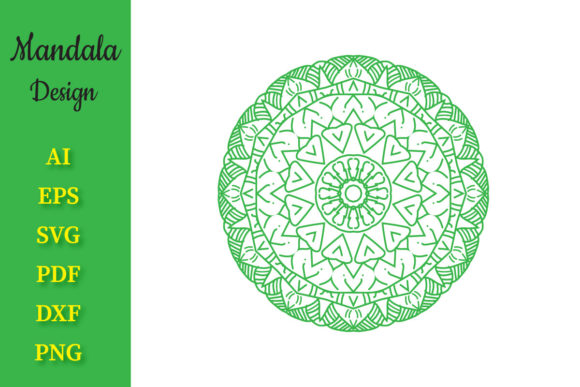
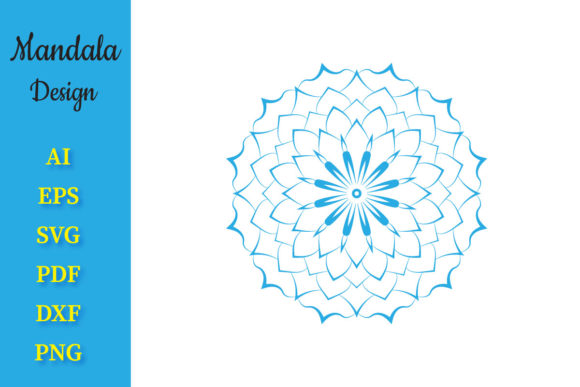
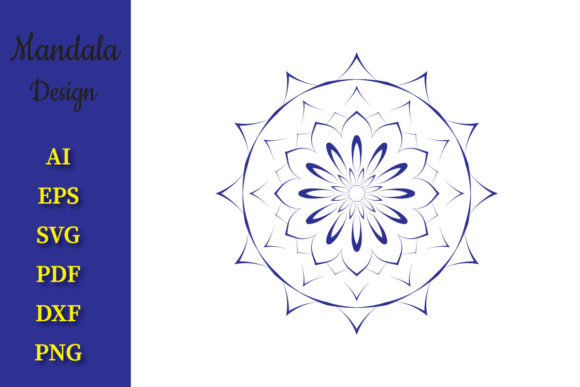
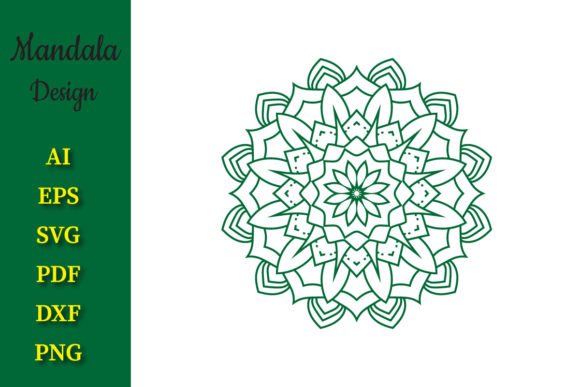
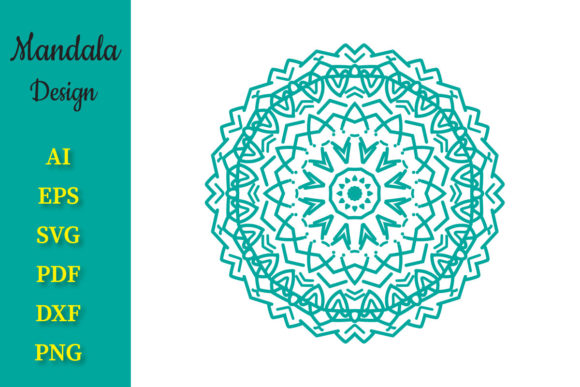
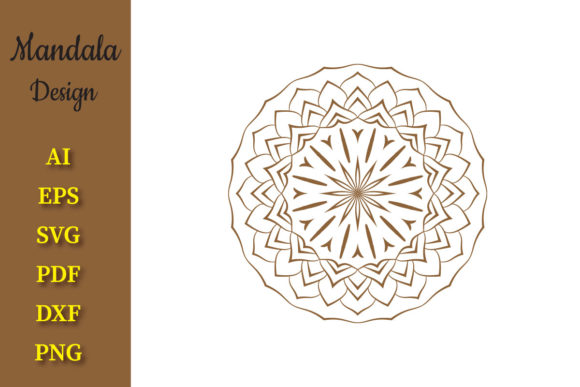
Mandala Design for Patterns Vol.32 is a collection of intricate and visually appealing mandala designs intended for use in various creative projects. This resource offers a wide range of pattern options, making it a valuable tool for designers, artists, and hobbyists looking to incorporate traditional and modern mandala elements into their work. The set includes 100 print-ready files available in multiple formats, ensuring compatibility with different design software and project requirements.
What Is Mandala Design for Patterns Vol.32?
Mandala Design for Patterns Vol.32 is a digital design package that features a variety of mandala patterns. These designs are often used in graphic design, textile creation, and decorative arts. Each pattern is crafted with attention to detail, allowing users to apply them in both digital and physical formats. The collection is designed to be versatile, providing a foundation for a wide array of artistic and commercial applications.
Why Consider Mandala Design for Patterns Vol.32?
Individuals interested in mandala-based design may find this collection appealing for several reasons. First, the variety of patterns ensures that users can find elements that match their specific aesthetic or project needs. Second, the availability of multiple file formats—such as AI, EPS, PNG, SVG, DXF, and PDF—makes it accessible for different workflows and design platforms. This flexibility allows users to integrate the designs into their existing projects seamlessly.
Additionally, the high-quality resolution of the files ensures that the patterns remain clear and detailed when printed or displayed digitally. This makes Mandala Design for Patterns Vol.32 a practical choice for professionals who require precision and clarity in their output.
Benefits and Considerations
One of the primary benefits of Mandala Design for Patterns Vol.32 is its comprehensive nature. With 100 unique patterns, users have a substantial library to draw from, reducing the need to search for additional resources. The inclusion of multiple file types also enhances usability, as it accommodates different design preferences and technical requirements.
However, users should consider the level of expertise required to utilize these files effectively. While the designs are ready to use, some customization may be necessary depending on the project. This could involve adjusting colors, scaling, or integrating the patterns into larger compositions. For those unfamiliar with design software, this might require additional time or learning.
Another consideration is the potential overlap with other mandala design collections. Depending on the user's existing resources, Mandala Design for Patterns Vol.32 may offer limited novelty. It is advisable to compare this collection with similar products to determine if it provides unique value for the intended purpose.
Situations Where It May Be a Strong Fit
Mandala Design for Patterns Vol.32 is particularly well-suited for individuals working on creative projects that benefit from structured and symmetrical patterns. This includes textile design, stationery creation, and digital art. Its high-quality files make it ideal for commercial use, such as printing on clothing, home décor, or promotional materials.
For educators or workshop facilitators, this resource can serve as a teaching tool, offering students a range of mandala designs to explore and adapt. It can also be useful for personal projects, such as creating custom greeting cards, calendars, or wall art.
When Alternatives Might Be Worth Considering
In some cases, alternatives to Mandala Design for Patterns Vol.32 may be more appropriate. For instance, users seeking highly customizable or original designs may prefer to create their own mandalas using design software. This approach allows for greater control over the final outcome but requires time and skill.
Additionally, those with budget constraints may find free or open-source mandala resources sufficient for their needs. While these alternatives may lack the professional quality of paid collections, they can still provide a starting point for creative exploration.
Users who require exclusive or proprietary designs may also want to explore other options, such as commissioning custom artwork or purchasing from specialized design marketplaces. These alternatives can offer unique content tailored to specific project requirements.
Practical Decision-Making Insights
When evaluating Mandala Design for Patterns Vol.32, it is important to align the resource with specific project goals. If the goal is to quickly access high-quality, ready-to-use patterns, this collection can be a valuable asset. However, if the project demands extensive customization or originality, additional steps may be necessary.
Consideration should also be given to the user’s familiarity with design software. Those comfortable with Adobe Illustrator or similar tools will likely find the file formats easy to work with. For beginners, there may be a learning curve associated with utilizing these files effectively.
Finally, it is advisable to review the collection’s contents and sample designs before making a purchase. This helps ensure that the patterns meet the user’s expectations and fit the intended application.
In summary, Mandala Design for Patterns Vol.32 offers a diverse and practical set of resources for creative professionals and enthusiasts. By understanding its strengths, limitations, and suitability for different projects, users can make informed decisions about whether this collection aligns with their creative and practical needs.